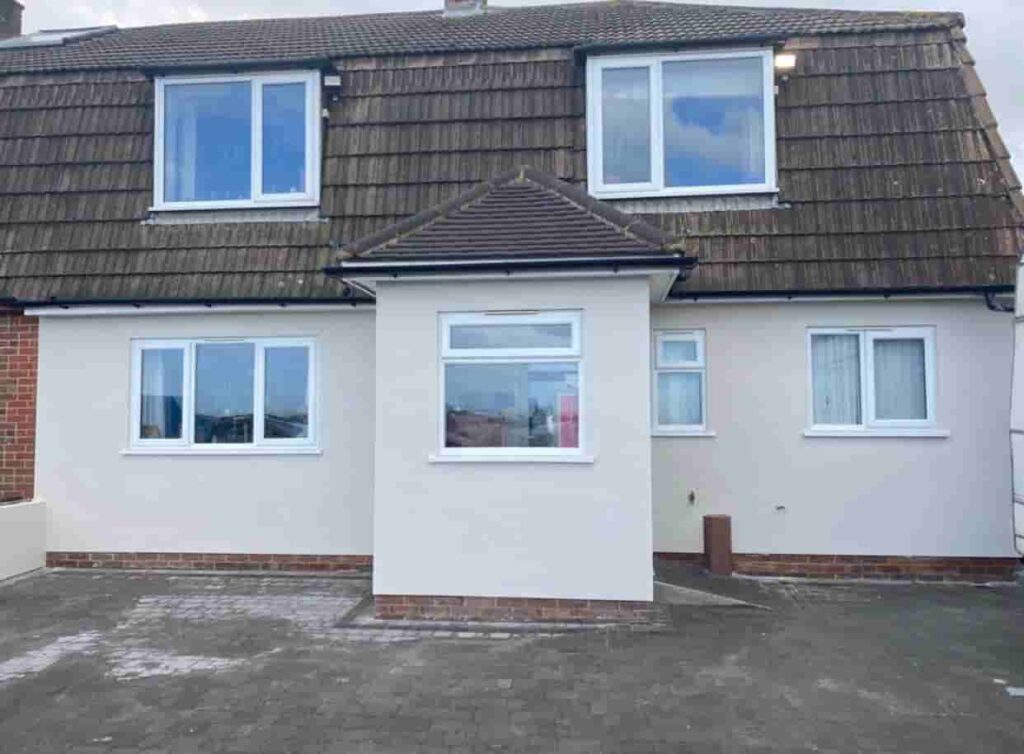
Block paving can create an attractive and practical path around a garden, driveway or property. However, if the paving begins to sink, shift or become uneven, it can affect both the appearance and usability of the path.
Uneven block paving is often linked to problems beneath the visible surface rather than the blocks themselves. For homeowners in Borehamwood, Hertfordshire, proper preparation, installation and maintenance can all help reduce the risk of movement and keep a block paving path looking its best.
Start with Proper Ground Preparation
One of the most important steps in preventing uneven paving is preparing the ground correctly before the blocks are laid.
If the ground beneath the path is unstable, soft or poorly compacted, the paving can gradually move as it is subjected to foot traffic and changing weather conditions.
The existing ground should therefore be assessed and prepared before the foundation is installed. Removing unsuitable material and creating a stable base provides the support needed for the paving above.
Install a Suitable Sub-Base
The sub-base plays a crucial role in supporting block paving. It helps distribute loads and provides a stable foundation between the paving and the underlying ground.
A suitable sub-base needs to be installed to the correct depth for the intended use and properly compacted. If this stage is rushed or inadequate, the paving may eventually develop dips, movement or other uneven areas.
This is particularly important for paths that receive frequent foot traffic.
Ensure the Ground Is Properly Compacted
Compaction helps create a firm and stable foundation. Loose or poorly compacted material beneath a paved path can settle over time, leaving sections of the paving lower than others.
Professional installation involves carefully compacting the foundation in preparation for the paving. Taking the time to complete this stage properly can help reduce settlement and improve the long-term stability of the path.
Get the Levels Right
Accurate levels are important for both appearance and performance. A path should have a consistent surface that is comfortable to walk across while also allowing rainwater to drain appropriately.
Poorly established levels can contribute to areas where water collects. Persistent moisture can affect the materials beneath the paving and may contribute to movement over time.
During installation, the path should therefore be planned with the surrounding ground and drainage arrangements in mind.
Use Proper Edge Restraints
The edges of a block paving path can be particularly vulnerable to movement. Without suitable restraint, blocks may gradually spread or shift outwards as the path is used.
Properly installed edge restraints help keep the paving securely contained and maintain the intended shape of the path.
This is especially important where the edges meet lawns, planting areas or other sections of the garden.
Make Sure the Blocks Are Laid Correctly
The blocks need to be laid accurately and consistently to create a stable surface. Uneven spacing, poor alignment or inadequate jointing can affect how well the individual blocks work together.
Correct jointing helps lock the paving units together and reduces the likelihood of individual blocks moving under regular use.
Professional installation ensures that the laying pattern, alignment and finishing details are considered as part of the complete construction.
Deal with Weeds and Organic Growth
Weeds can sometimes develop between paving joints, particularly when dirt and organic material accumulate over time. While weeds are not usually the main cause of a structurally uneven path, allowing them to establish extensively can affect the condition of the joints.
Regular sweeping can remove debris before it builds up, while dealing with unwanted growth early can help keep the paving and joints in better condition.
Address Small Problems Early
If you notice one or two blocks becoming slightly lower than the surrounding surface, it is worth having the area checked rather than allowing the problem to develop.
Small areas of settlement may sometimes be addressed without disturbing the entire path. However, if the underlying cause is not corrected, the same problem may return.
Early attention can therefore help prevent a minor issue from becoming a more extensive repair.
Why Professional Installation Makes a Difference
Preventing uneven block paving starts before the first paving block is laid. Ground preparation, sub-base construction, compaction, drainage, edge restraints and accurate laying all contribute to the stability of the finished path.
For homeowners in Borehamwood, Hertfordshire, professional installation provides an opportunity to assess the specific ground conditions and construct the path accordingly.
Conclusion
An uneven block paving path is often the result of movement or settlement beneath the visible surface. Proper preparation, a suitable sub-base, effective compaction, good drainage and secure edging can all help reduce the risk of these problems.
If you are planning a new block paving path in Borehamwood, Hertfordshire, DPL Driveways Borehamwood can provide professional advice and installation based on the requirements of your property. Contact us to discuss your project and arrange an assessment.
Call us on: 01482 429 193
Click here to find out more about TRP Roofing Bransholme
Click here to complete our contact form and see how we can help with your roofing needs.